-

Childhood Hospital Separation: ‘I Want My Mummy’
For decades, many British hospitals kept sick children apart from their parents. This article looks at childhood hospital separation, James Robertson’s films, the Platt Report, and what family historians can recover from the silences in hospital records.
-

What the Victorians didn’t say
A family historian and former counsellor traces her Victorian grandfather’s emotional distance back through three generations of unspoken loss, poverty, and depression.
-

The Voyage of the Shalimar, 1859: The Man Who Sailed Away and the Wife He Left Behind
On 12 September 1859, Thomas Alexander Kidd stood on Liverpool’s bustling docks with his family, ready to leave everything behind. The former merchant, magistrate and police commissioner had sold his comfortable life for steerage tickets to New Zealand. Beside him waited his wife, Mary Agnes, and their six children—Eliza, Georgina, Mary, Helen, Frances and young…
-

What We Inherit Beyond Genes: Uncovering Our Emotional Ancestry
Sometimes, the patterns we repeat in relationships have less to do with conscious choices and more to do with heritage. Some families keep their distance emotionally, while others feel entangled in each other’s lives. The reason may lie in what I describe as our ‘emotional DNA’ – the unseen inheritance that carries forward the echoes…
-

12 Powerful Themes from ‘Yet’: A Story of Triumph over Childhood Separation, Trauma, and Disability
Discover Yet: A Story of Triumph over Childhood Separation, Trauma, and Disability—a deeply moving disability memoir exploring resilience, trauma recovery, and the power of the human spirit. Inspired by my father Harry’s experiences, this book traces his journey through childhood separation, disability, and social exclusion in post-war Britain. Blending social history with psychological insight, Yet…
-

Hidden Wounds: How Adverse Childhood Experiences Shape Family Stories
Understanding adverse childhood experiences (ACEs) transforms family history research beyond names and dates. These hidden traumas—war, abuse, neglect, long-stay hospitalisation—ripple through generations, shaping behaviors and relationships. By recognising ACEs in historical records and family patterns, we gain compassionate insight into our ancestors’ struggles and the emotional legacies they passed down.
-

Attachment Theory and Family History: A Quick Introduction
Our earliest bonds with caregivers create blueprints for lifelong relationships, passed down through generations like emotional DNA. By viewing family history through attachment theory, we uncover patterns of connection and disconnection, trauma and resilience. Understanding these invisible inheritances transforms genealogy from collecting names into mapping the emotional currents that shaped—and continue to shape—our families.
-
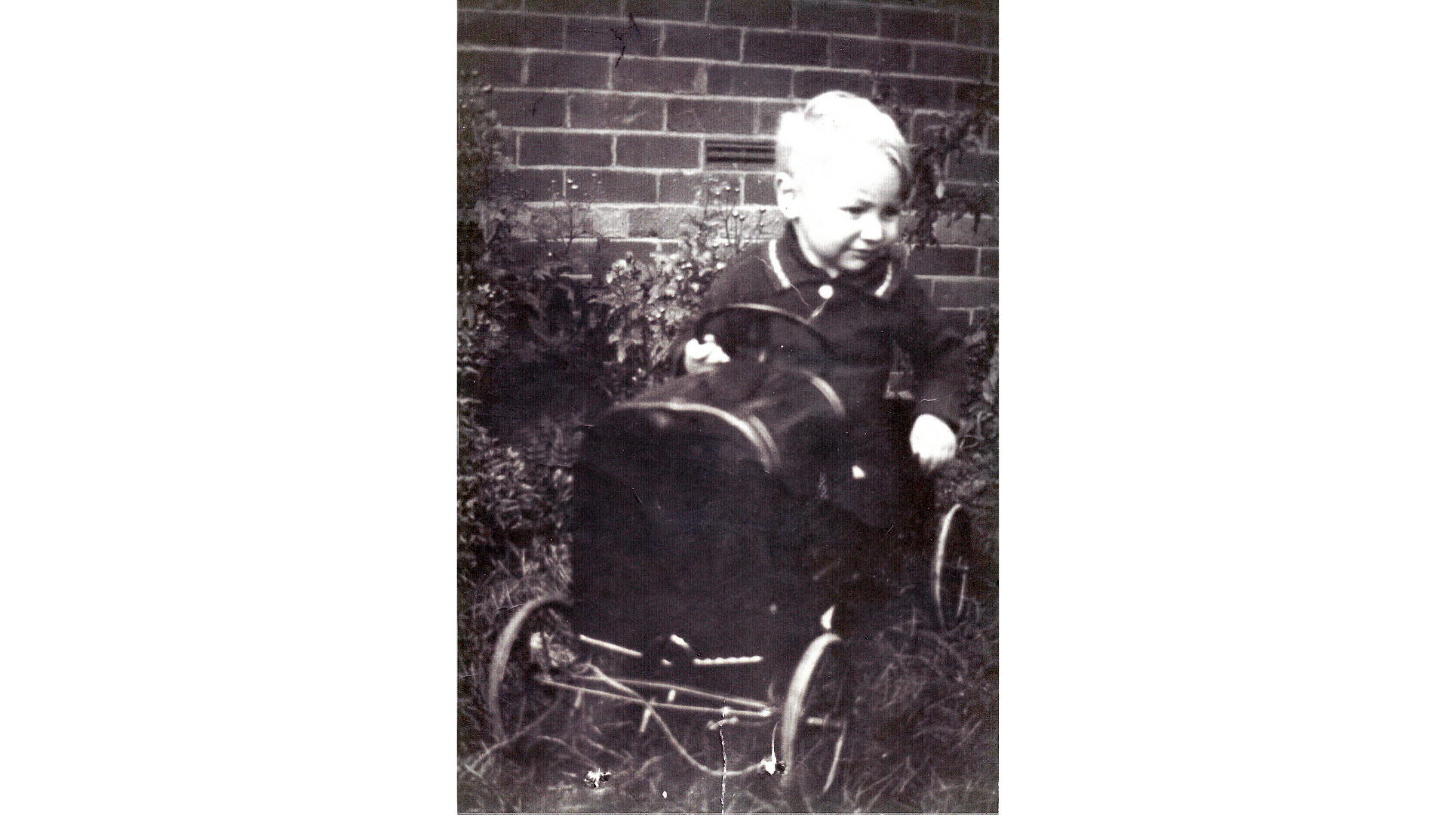
The promise of ‘yet’
In early 20th‑century Britain, children infected with bovine tuberculosis through contaminated milk were isolated from their families and forgotten by history. My father was one of them. Yet: A Story of Triumph Over Childhood Separation, Trauma, and Disability preserves those lost voices and celebrates resilience, hope, and the power of possibility.
-

How Psychological Legacies Shape Mental Health and Family Dynamics
Family history is more than tracing names and dates—it’s about understanding the emotions and experiences that shaped our ancestors. Using attachment theory and Adverse Childhood Experiences (ACEs), genealogists can uncover patterns of trauma, resilience, and connection that echo across generations, turning historical research into a journey of empathy and insight.
-

How Depression, Addiction & Trauma Echo Across Generations: Blending Family History, Psychology, and Science
Discover how depression, addiction, and trauma can echo through generations. By blending family history, psychology, and scientific insights like epigenetics, we reveal how ancestral struggles have shaped us—and how understanding our psychological inheritance empowers us to break unhealthy cycles and create a brighter legacy for future generations.
