

KEY TAKEAWAYS
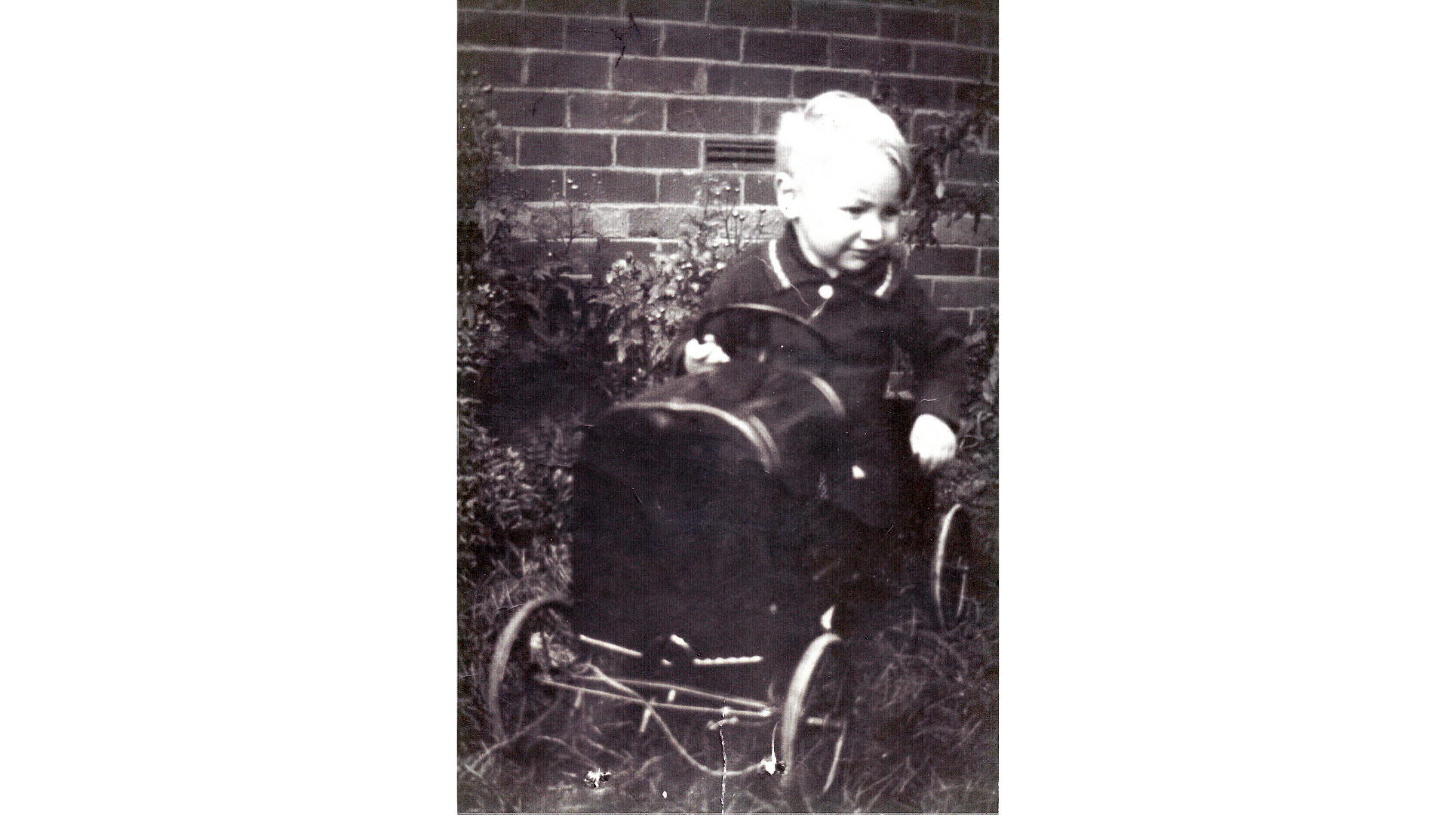
– Harry Drabble contracted bovine tuberculosis at age two from unpasteurised milk in 1930s Sheffield, spending years in isolation hospitals
– Despite physical disability (fused hip, lifelong limp) and childhood trauma from family separation, he became an inspirational music teacher and mentor for 35 years
– The ‘yet’ philosophy—’I can’t do this… yet’—transformed his approach to challenges and empowered countless students
– His story represents thousands of forgotten British children who endured institutional separation due to bovine TB in the early 20th century
– ‘Yet’ preserves overlooked disability history whilst offering hope to anyone facing adversity, trauma, or limitation
– Bovine tuberculosis is resurging globally—Harry’s story serves as both historical record and contemporary warning
‘Yet’: A Story of Triumph over Childhood Separation, Trauma, and Disability
When my father was two years old, bovine tuberculosis ravaged his right hip joint and left elbow. He was to spend years in the King EdwardVII Memorial Hospital for Crippled Children. Medical records from this period show average institutional stays of 18-24 months for bone tuberculosis cases. The disease—contracted from unpasteurised milk—left him with a fused hip and a lifelong limp. But his physical limitations never defined him. Instead, he built a life based on resilience, determination, and quiet triumph. Peter Atkins, an Emeritus Professor of Geography, showed over 800,000 people died because of the transmission of tuberculosis from animals to humans in Britain between 1900–1950.[i]
A Teacher Who Changed Lives
Alongside his day job, for 35 years, my father worked as a music teacher and business mentor. He didn’t simply impart skills—he transformed hundreds of lives. His greatest lesson was the one he embodied daily: with determination, belief, and effort, even some of the most daunting challenges could be overcome.
At his wake, the depth of his impact became clear. James, a former student, told me: ‘Your dad’s endless patience and enthusiasm were infectious. He pushed me when I needed it and supported me when I struggled. They say a great teacher stays with you for life, and your father proved that to be true.’
Vicky, another mentee, shared: ‘He was a truly amazing man who had a significant impact on my life and direction of travel.’
These testimonies strengthened my resolve to share his remarkable story with the world.
An Overlooked History
My father’s experience represents thousands of forgotten children. In early 20th-century Britain, bovine tuberculosis infected countless young lives through contaminated milk. These children endured months and years in isolation hospitals and convalescent homes, separated from families and subjected to treatments that left both physical and emotional scars.
Their stories have largely vanished from public memory. My father often recalled: ‘No one believed me. “Children couldn’t have been treated like that.” But we were.’
By documenting his journey, I aim to preserve this overlooked chapter of history and honour those who endured such hardship.
Harry’s experience illustrates how childhood trauma shapes generations, creating patterns that affect not just the individual but their children and grandchildren.
Bovine Tuberculosis in 1930s Britain: The Forgotten Epidemic
Between 1912 and 1937, bovine tuberculosis killed approximately 65,000 people in England and Wales—2,500 deaths annually, with children disproportionately affected. The disease spread through unpasteurised milk from infected cattle, attacking bones, joints, and organs.
Infected children faced:
– Months or years in isolation hospitals and convalescent homes
– Separation from families during critical developmental periods
– Painful treatments including surgery, immobilisation in plaster casts, and extended bed rest
– Social stigma and exclusion due to visible disabilities
– Attachment trauma from institutional care
Compulsory pasteurisation wasn’t introduced in England until 1949. By then, an entire generation of children—including my father—had already endured the disease’s devastating physical and emotional consequences.

Modern relevance: Bovine TB is resurgent. According to recent studies, antibiotic-resistant strains are emerging, and unpasteurised milk consumption is increasing in some communities, creating new infection risks.
Source: Historical data from British Medical Association archives and Sheffield medical records; contemporary research on bovine TB resurgence.
The Philosophy of ‘Yet’
My book, ‘Yet’: A Story of Triumph Over Childhood Separation, Trauma, and Disability, captures more than one man’s memoir. It embodies a transformative philosophy that my father lived by:
‘I can’t do this… yet’ acknowledges that growth takes time.
‘I’m not there… yet’ cultivates patience.
‘I haven’t succeeded… yet’ fuels perseverance.
This mindset enabled transformation my father to transcend the worst psychological inheritance from societal exclusion, trauma, and disability. More importantly, it empowered him to help others reframe their limitations and embrace possibility.
A Final Promise
Before his death, my father and I began collaborating on this book. He understood the urgent relevance of his story—milk-borne infections are resurging globally, and bovine tuberculosis grows increasingly antibiotic-resistant. He wanted his experience to serve as both a warning about unpasteurised milk and a source of hope for those facing their own challenges.
His final words to me were direct: ‘You have an exceptional understanding and I trust you with my life. Publish.’
Keeping His Legacy Alive
This book fulfils my promise to a remarkable man.
As Tara Westover wrote: ‘We are all of us more complicated than the roles we are assigned in the stories other people tell.’
My father transcended every label society tried to impose. He was brilliant, loving, and profoundly wise—a man who proved that within every challenge lies the seed of possibility.
His story reminds us that we’re never truly stuck. We’re simply not there… yet.
Frequently Asked Questions About ‘Yet’
What is ‘Yet’: A Story of Triumph over Childhood Separation, Trauma, and Disability about?
‘Yet’ tells the true story of Harry Drabble, who contracted bovine tuberculosis from unpasteurised milk at age two in 1937 Sheffield. The book chronicles his years in isolation hospitals, the trauma of family separation, his physical disabilities, and how he transformed these challenges into a philosophy of possibility. It’s both a personal memoir and historical documentation of thousands of British children who endured similar experiences.
What is the ‘yet’ philosophy?
The ‘yet’ philosophy reframes limitation as potential: ‘I can’t do this… yet’ acknowledges that growth takes time. ‘I’m not there… yet’ cultivates patience. ‘I haven’t succeeded… yet’ fuels perseverance. This mindset recognises that inability is temporary, not permanent—we’re simply at an earlier point on our journey.
Why is Harry Drabble’s story historically important?
Between 1900-1960, thousands of British children contracted bovine tuberculosis from contaminated milk, spending months or years separated from families in isolation hospitals. These children’s experiences have largely vanished from public memory and historical records. Harry’s detailed account preserves this forgotten chapter of British medical and disability history.
Is bovine tuberculosis still a risk today?
Yes. Bovine tuberculosis is resurging globally and developing antibiotic resistance. Unpasteurised milk consumption is increasing in some communities, creating new infection risks. Harry’s story serves as both historical documentation and contemporary warning about these dangers.
Who should read ‘Yet’?
– Anyone facing personal challenges, disability, or trauma seeking inspiration
– Family historians researching 1930s-1960s medical history or institutional care
– Educators and mentors interested in transformative teaching approaches
– Medical historians studying bovine tuberculosis or childhood disease
– People interested in British social history and disability rights
– Those researching intergenerational trauma and resilience
How does ‘Yet’ relate to intergenerational trauma?
Harry’s childhood separation and medical trauma created attachment wounds and psychological patterns that affected his parenting and family relationships. The book explores how trauma transmits across generations whilst demonstrating that resilience and intentional choices can break harmful cycles. It connects to the author’s ‘geneatherapy’ methodology—using family history to understand and heal intergenerational patterns.
Understanding how trauma and attachment patterns transmit through families helps us recognise Harry’s achievement in breaking cycles whilst building new legacies.
[i] Atkins, Peter J. “The Long Genealogy of Quality in the British Drinking-Milk Sector.” Historia Agraria. Revista de agricultura e historia rural 73 (November 15, 2017): 35–58. https://doi.org/10.26882/histagrar.073e01a.
Read the first two chapters of ‘Yet’ here
Readers whose own families lived through this history are welcome to write to me at helen@helenparkerdrabble.com.
You can buy ‘Yet’ here, or at your favourite book shop.
Listen to something of dad’s experience here
Read more articles here.
Helen Parker-Drabble is an author and ‘geneatherapist’ who combines genealogical research with psychological insights. As Harry Drabble’s daughter and a former counsellor, she brings both personal connection and professional expertise to exploring how childhood trauma shapes lives across generations. She is also the author of A Victorian’s Inheritance, which examines her grandfather’s psychological inheritance from his alcoholic mother.

“No one believed me. ‘Children couldn’t have been treated like that.’ But we were.”
—Harry Drabble