-

‘Can’t Do to Can Do … Yet’: Harry Drabble’s Journey Through Disability, Work and the Fight for a Livelihood in 20th Century Britain
Harry Drabble’s story of resilience, from being written off as a child with a disability to building a successful life, highlights the fight for inclusion in 20th-century Britain. Shared for UK Disability History Month, his journey inspires us to challenge prejudice, reframe limitations, and strive for true equality.
-

Hidden Wounds: How Adverse Childhood Experiences Shape Family Stories
Understanding adverse childhood experiences (ACEs) transforms family history research beyond names and dates. These hidden traumas—war, abuse, neglect, long-stay hospitalisation—ripple through generations, shaping behaviors and relationships. By recognising ACEs in historical records and family patterns, we gain compassionate insight into our ancestors’ struggles and the emotional legacies they passed down.
-

Attachment Theory and Family History: A Quick Introduction
Our earliest bonds with caregivers create blueprints for lifelong relationships, passed down through generations like emotional DNA. By viewing family history through attachment theory, we uncover patterns of connection and disconnection, trauma and resilience. Understanding these invisible inheritances transforms genealogy from collecting names into mapping the emotional currents that shaped—and continue to shape—our families.
-

Unlocking Ancestors’ Psychology with Attachment Theory and Adverse Childhood Experiences
Family history goes beyond names and dates to explore ancestors’ inner worlds, enriched by psychological insights. Attachment theory and Adverse Childhood Experiences (ACEs) reveal how early bonds and traumas shaped personalities, behaviors, and intergenerational patterns, deepening empathy and understanding of family legacies of trauma and resilience.
-

Separation and Strength
In July 1937, young Harry Drabble was hospitalised for tuberculosis, facing isolation and trauma. His experience epitomizes the emotional struggles of many children in 20th-century Britain separated from families during long treatments. Despite these challenges, Harry developed resilience, ultimately shaping his life positively and highlighting the importance of understanding and acknowledging such hidden histories.
-
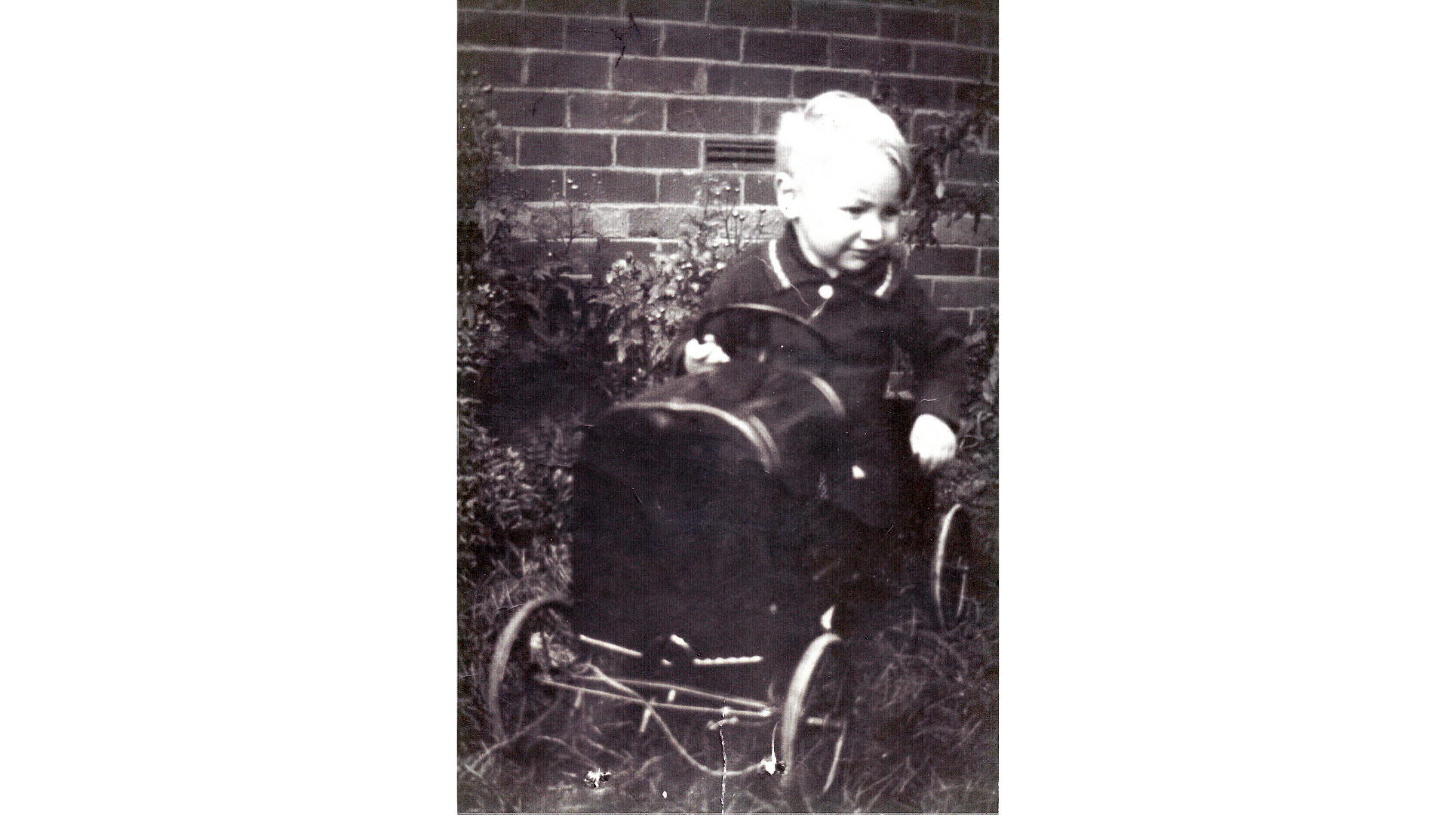
The promise of ‘yet’
In early 20th‑century Britain, children infected with bovine tuberculosis through contaminated milk were isolated from their families and forgotten by history. My father was one of them. Yet: A Story of Triumph Over Childhood Separation, Trauma, and Disability preserves those lost voices and celebrates resilience, hope, and the power of possibility.
-

Celebrating Local and Community History Month, UK: Giving Voice to the Past
The inspiring story of the Drabble family of Sheffield, a working-class family whose experiences between the 1930s and 1950s illuminate the extraordinary resilience of ordinary lives.
-

Why I Wrote a Book about Dad, and Why He Wanted it Published
Discover ‘Yet’: A Story of Triumph Over Childhood Trauma, Disability, and Resilience, a memoir honouring my father’s incredible journey. Overcoming stigma and bovine tuberculosis, he built a life of purpose and inspired others.
-

Forgotten history: A child’s experience of bovine tuberculosis
In 1937, two-and-a-half-year-old Harry Drabble was separated from his mother after being diagnosed with bovine tuberculosis, enduring traumatic hospital treatment for over two years. This isolation and neglect affected him emotionally and socially, mirroring the experiences of thousands of children during this dark period in British history.
-

How Depression, Addiction & Trauma Echo Across Generations: Blending Family History, Psychology, and Science
Discover how depression, addiction, and trauma can echo through generations. By blending family history, psychology, and scientific insights like epigenetics, we reveal how ancestral struggles have shaped us—and how understanding our psychological inheritance empowers us to break unhealthy cycles and create a brighter legacy for future generations.
