-

What We Inherit Beyond Genes: Uncovering Our Emotional Ancestry
Sometimes, the patterns we repeat in relationships have less to do with conscious choices and more to do with heritage. Some families keep their distance emotionally, while others feel entangled in each other’s lives. The reason may lie in what I describe as our ‘emotional DNA’ – the unseen inheritance that carries forward the echoes…
-

Attachment Theory and Family History: A Quick Introduction
Our earliest bonds with caregivers create blueprints for lifelong relationships, passed down through generations like emotional DNA. By viewing family history through attachment theory, we uncover patterns of connection and disconnection, trauma and resilience. Understanding these invisible inheritances transforms genealogy from collecting names into mapping the emotional currents that shaped—and continue to shape—our families.
-
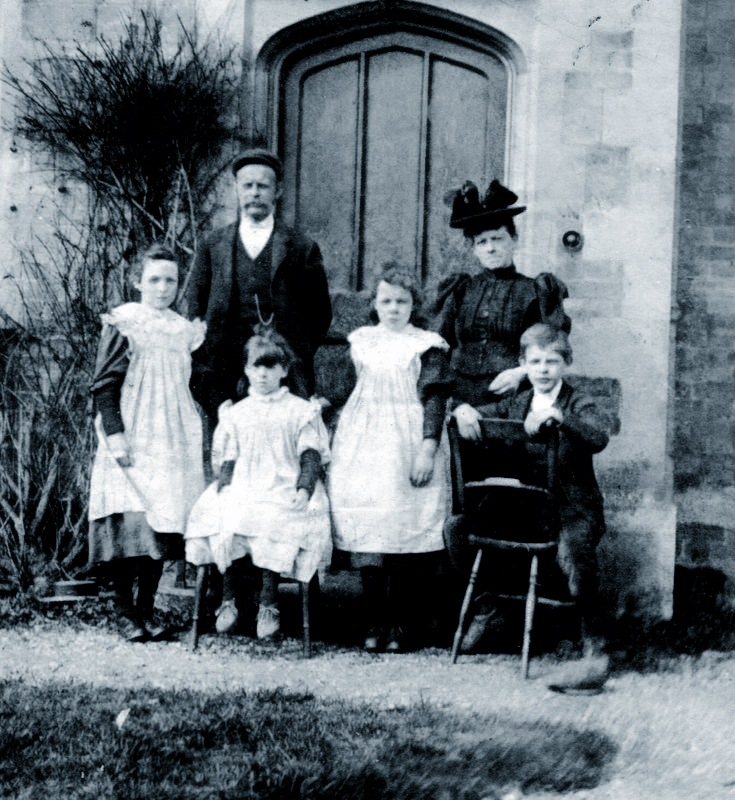
Consider Psychological Legacies in Family Trees: What Emotional Inheritance Have You Received?
Key Takeaways Psychological inheritance describes how emotional patterns, trauma responses, and coping mechanisms pass from ancestors to descendants We inherit far more than heirlooms — our ancestors’ experiences, strengths, and wounds become woven into our family stories Recognising inherited patterns helps us understand our loved ones more deeply and begin to heal inherited hurt Historical records…
-

Epigenetics, Physiological & Psychological Inheritance and the Family Historian
Physiological and psychological trauma can affect not only the person involved but succeeding generations. Therefore, ancestral trauma can influence and shape a descendant who has no knowledge of it. This has implications for family historians wanting a deep understanding of their forebears. It can also be critical to living relatives struggling with mental health issues.
