

Key Takeaways
- Psychological inheritance describes how emotional patterns, trauma responses, and coping mechanisms pass from ancestors to descendants
- We inherit far more than heirlooms — our ancestors’ experiences, strengths, and wounds become woven into our family stories
- Recognising inherited patterns helps us understand our loved ones more deeply and begin to heal inherited hurt
- Historical records combined with psychological insights reveal how trauma, loss, and addiction shape families across generations
Psychological Legacies in Family Trees: What Emotional Inheritance Have You Received?
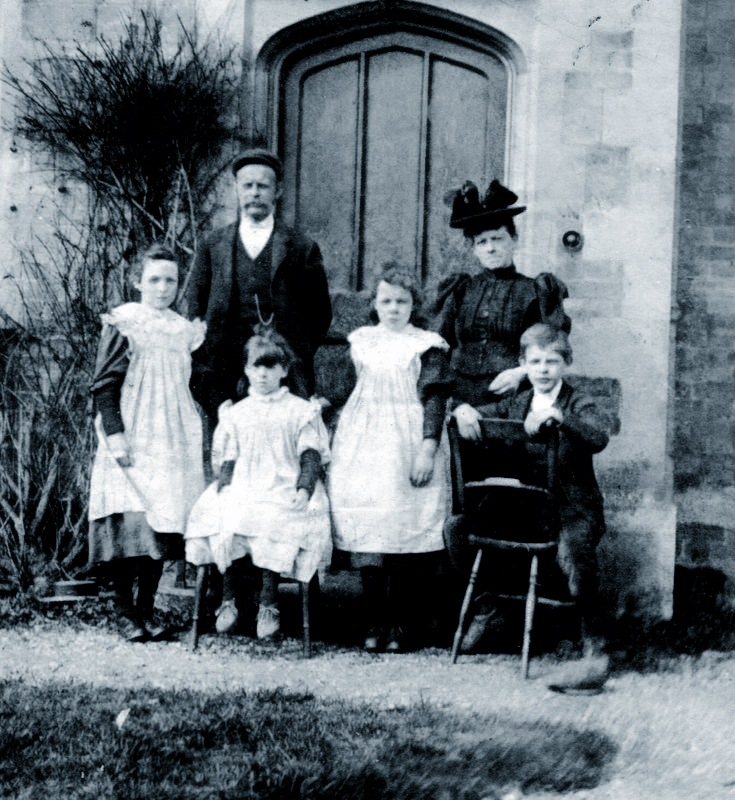
In A Victorian’s Inheritance, I explore how trauma, loss, and addiction shaped my Victorian grandfather, Walter Parker, born in 1885. Using historical records and insights from psychology, the book examines how emotional pain and resilience are passed down through generations — a phenomenon known as psychological inheritance.
This short audio piece, based on A Victorian’s Inheritance, invites you to reflect on what may have been passed down through your own family.
Listen to the Audio Reflection
We Inherit More Than Heirlooms
We inherit far more than heirlooms. The experiences, strengths, and wounds of our ancestors become woven into our family stories and — sometimes — into our ways of thinking, feeling, and coping.
Research confirms this transmission occurs through multiple pathways. Attachment patterns formed in infancy shape how we relate to others throughout life, and these patterns transmit across generations with remarkable consistency. Studies show that approximately 75% of parents pass their attachment style to their children (van IJzendoorn, 1995). Epigenetic research reveals that trauma may create biological changes passed to offspring who never experienced the original events.
Recognising these patterns helps us understand our loved ones more deeply and perhaps begin to heal inherited hurt. When we trace the threads of psychological inheritance through our family trees, we gain compassion for ancestors who struggled and insight into patterns that may still shape our lives.
Quick Facts: Psychological Inheritance
| What is psychological inheritance? | The transmission of emotional patterns, trauma responses, and coping mechanisms across generations |
| How does it transmit? | Through attachment patterns, learned behaviours, family communication styles, and epigenetic changes |
| Can patterns be changed? | Yes — awareness, therapy, and conscious choices can transform inherited patterns |
| Why does it matter for genealogy? | Understanding psychological inheritance adds depth to family history, revealing why patterns repeat |
Walter Parker’s Story: A Case Study in Psychological Inheritance
My grandfather Walter Parker was born in 1885 in Thorney, Cambridgeshire. His mother Ann struggled with alcoholism — itself likely rooted in the multiple bereavements and losses she experienced as a child. Growing up with an alcoholic parent shaped Walter’s emotional landscape in ways that would echo through subsequent generations.
Walter developed what psychologists would recognise as an avoidant attachment style — distancing himself emotionally as a survival mechanism. He emigrated to Canada as a young man and lived alone on the prairie for nearly thirty years. When he finally returned to England and became a father at fifty-one, the patterns established in his Victorian childhood influenced his parenting and his daughter’s experience of family life.
By tracing these patterns through historical records — census documents, family letters, oral histories — and applying psychological frameworks like attachment theory and adverse childhood experiences (ACEs), we can understand not just what happened to our ancestors but how their experiences continue to reverberate.
Questions for Reflection
What might your own family’s psychological legacy be? Consider:
- Which patterns of courage or struggle have shaped your life?
- What coping mechanisms did your parents or grandparents use — and do you recognise them in yourself?
- Were there losses, traumas, or hardships in previous generations that weren’t processed?
- What strengths and resilience have been passed down alongside any wounds?
- How might understanding these patterns change the way you see your family — and yourself?
Exploring these questions can be both illuminating and healing. Many people find that understanding the roots of family patterns brings compassion rather than blame, and opens possibilities for conscious change.
Frequently Asked Questions
What is psychological inheritance?
Psychological inheritance describes how emotional patterns, coping mechanisms, attachment styles, and trauma responses pass from one generation to the next. Unlike genetic inheritance of physical traits, psychological inheritance transmits through learned behaviours, family dynamics, parenting styles, and — as emerging research shows — epigenetic changes. Understanding psychological inheritance helps family historians see beyond dates and places to the emotional lives of their ancestors.
How do I identify psychological inheritance in my family tree?
Look for recurring patterns across generations: addiction, depression, anxiety, estrangement, relationship difficulties, or particular coping styles. Consider what circumstances surrounded significant life events. Family stories about ancestors who ‘kept to themselves’, ‘had a temper’, or ‘never got over’ a loss often point to psychological patterns worth exploring. Historical records combined with oral histories can reveal these threads.
Can inherited psychological patterns be changed?
Yes. Research consistently demonstrates that while psychological patterns are persistent, they are not destiny. Awareness is the first step — understanding where patterns originated provides context and reduces self-blame. Therapy, particularly attachment-focused approaches, can help transform inherited patterns. Conscious parenting choices can prevent transmission to the next generation. Many people find that combining genealogical research with therapeutic support — what I call geneatherapy — creates powerful opportunities for healing.
What is A Victorian’s Inheritance about?
A Victorian’s Inheritance explores how trauma, loss, and addiction shaped my Victorian grandfather Walter Parker and examines how these patterns transmitted across generations. The book combines rigorous genealogical research with psychological insights to understand not just what happened to Walter but how his experiences continued to influence his descendants. It offers a model for how family historians can apply psychological frameworks to their own research.
Share Your Story
I’d love to hear from you. What might your own family’s psychological legacy be? Which patterns of courage or struggle have shaped your life?
Feel free to email me: helen@helenparkerdrabble.com
Continue Your Journey
Related Articles:
- How Psychological Legacies Shape Mental Health and Family Dynamics
- How Attachment Trauma Shapes Future Generations
- Hidden Wounds: How Childhood Adversity Shapes Our Family Stories
- Epigenetics, Physiological and Psychological Inheritance and the Family Historian
Books:
- A Victorian’s Inheritance — Explore Walter Parker’s story and the psychological inheritance that shaped generations
- Yet: A Story of Triumph Over Childhood Separation, Trauma, and Disability — The story of my father Harry Drabble’s childhood institutionalisation
About the Author
Helen Parker-Drabble is an author and geneatherapist who combines genealogical research with psychological insights to understand how historical trauma shapes family patterns across generations. A qualified counsellor with a Diploma in Counselling, she developed the geneatherapy methodology as an integrative approach to family history research. Helen is the author of Yet: A Story of Triumph Over Childhood Separation, Trauma, and Disability (2025) and A Victorian’s Inheritance (2020).
Connect: @FactualTales (Facebook) | @HelenPDrabble (X) | Helen Parker-Drabble (LinkedIn)