-

An Hour a Month: Children’s Hospital Visiting Rules Before the Platt Report
One hour, once a month: how British hospitals kept sick children apart from their parents before the Platt Report, and the boy who watched the clock.
-

The Directory and the Child: what a survey of Britain’s orthopaedic institutions kept, and what it left out
A 1935 directory of Britain’s institutions for ‘crippled’ children, and the boy it would send to King Edward VII Hospital, Sheffield: what the records kept, and what they left out.
-

Childhood Hospital Separation: ‘I Want My Mummy’
For decades, many British hospitals kept sick children apart from their parents. This article looks at childhood hospital separation, James Robertson’s films, the Platt Report, and what family historians can recover from the silences in hospital records.
-

What the Victorians didn’t say
A family historian and former counsellor traces her Victorian grandfather’s emotional distance back through three generations of unspoken loss, poverty, and depression.
-

Forgotten Children Bovine TB: Hidden History Wins Award
There is a particular satisfaction in receiving recognition for work that is not really about you. ‘Yet’ recovers the story of the forgotten children of bovine tuberculosis. Hundreds of thousands of British children were hospitalised for months, sometimes years, in the era before effective treatment existed. When I learned the book had been awarded Runner-up…
-

Mary Allott Victorian Recipe Book: Domesticity as Defence
In 1860, the Mary Allott Victorian recipe book began when a twenty-four-year-old woman abandoned by her husband opened a blank notebook. Over the next fifty years, she would fill it with over 280 recipes—each one a defence against the accusation that she had lost her husband through domestic inadequacy. This recipe book sits within the…
-

The Voyage of the Shalimar, 1859: The Man Who Sailed Away and the Wife He Left Behind
On 12 September 1859, Thomas Alexander Kidd stood on Liverpool’s bustling docks with his family, ready to leave everything behind. The former merchant, magistrate and police commissioner had sold his comfortable life for steerage tickets to New Zealand. Beside him waited his wife, Mary Agnes, and their six children—Eliza, Georgina, Mary, Helen, Frances and young…
-

When Your Mother-in-Law Testifies Against You: Mary Allott’s 1875 Victorian Divorce Trial
Imagine finally fighting for freedom from the husband who abandoned you sixteen years ago and petitioning a court for a divorce. You’ve hired a solicitor. Gathered evidence. Risked public scandal. You’re testifying about adultery, disease, and desertion—intimate details that will be published in the local newspaper for all Sheffield and Chesterfield to read. Then your…
-

LGBTQ+ Family History: Researching Hidden Estrangement and Reclaiming Erased Ancestors
Content Warning: This article discusses LGBTQ+ discrimination, forced family separation, institutionalisation, and historical persecution. Content includes: Criminalisation of homosexuality and forced institutionalisation Conversion therapy and medical ‘treatments’ now recognised as torture Family rejection and estrangement due to sexual orientation or gender identity Suicide (Alan Turing) Historical violence and discrimination against LGBTQ+ people If you’re currently…
-

‘Improperly Married’: Coverture and the Victorian Women the Law Forgot’
Victorian England had no language for women like Mary Allott. Under the doctrine of coverture, Victorian marriage laws treated a wife as her husband’s property, with no separate legal existence of her own. Improperly married Victorian women lived inside that law, yet their particular situation had no name and no remedy. Not quite wives. Not…
-

Mary Allott Fought Back: Victorian Divorce Court 1875
In 1875, Mary Allott sat in a Sheffield office facing a pivotal moment. She was an improperly married woman about to testify in the Victorian divorce court 1875—a system designed to judge women like her. Every word would be recorded, sent to London, and published in local newspapers for all to read. She testified anyway.…
-

The Recipe Book That Sustained a Life: Mary Allott’s Victorian Story of Abandonment, Scandal, and Survival
In 1860, a young woman with a newborn opened a blank notebook with an A-Z index and began to write. Mary Allott, née Hopkinson, was about twenty-four years old, a mother of two. A few days before she gave birth, her husband Charles had sailed for New Zealand, leaving their two-year-old son with his mother…
-

A video introduction to ‘Yet’
Have you ever wondered about the hidden stories that shaped our families and communities? The ones often left untold, buried under stigma and silence? In my latest video, I share the extraordinary journey of my father, Harry Drabble, whose life was transformed by childhood trauma, disability, and the choices he made. This story, captured in…
-

What We Inherit Beyond Genes: Uncovering Our Emotional Ancestry
Sometimes, the patterns we repeat in relationships have less to do with conscious choices and more to do with heritage. Some families keep their distance emotionally, while others feel entangled in each other’s lives. The reason may lie in what I describe as our ‘emotional DNA’ – the unseen inheritance that carries forward the echoes…
-

British Society for the History of Medicine Reviews Yet — A Moving Story of Childhood Illness, Resilience, and Hope
I was moved to tears to see ‘Yet’: A Story of Triumph over Childhood Separation, Trauma, and Disability reviewed by the British Society for the History of Medicine (BSHM). Seeing my father Harry’s story recognised by such a respected organisation means a great deal. ‘Yet’ tells of Harry’s childhood battle with bovine tuberculosis in 1930s Sheffield — a…
-

12 Powerful Themes from ‘Yet’: A Story of Triumph over Childhood Separation, Trauma, and Disability
Discover Yet: A Story of Triumph over Childhood Separation, Trauma, and Disability—a deeply moving disability memoir exploring resilience, trauma recovery, and the power of the human spirit. Inspired by my father Harry’s experiences, this book traces his journey through childhood separation, disability, and social exclusion in post-war Britain. Blending social history with psychological insight, Yet…
-

Dear Dad
Writing Dad’s book has kept him close since his death in 2022, but I’m entering another phase of my grief. I miss our conversations so much that I decided to write him a letter. How do you manage your own losses? Dear Dad, I want to tell you why I’ve chosen to publish your story…
-

‘Can’t Do to Can Do … Yet’: Harry Drabble’s Journey Through Disability, Work and the Fight for a Livelihood in 20th Century Britain
Harry Drabble’s story of resilience, from being written off as a child with a disability to building a successful life, highlights the fight for inclusion in 20th-century Britain. Shared for UK Disability History Month, his journey inspires us to challenge prejudice, reframe limitations, and strive for true equality.
-

Hidden Wounds: How Adverse Childhood Experiences Shape Family Stories
Understanding adverse childhood experiences (ACEs) transforms family history research beyond names and dates. These hidden traumas—war, abuse, neglect, long-stay hospitalisation—ripple through generations, shaping behaviors and relationships. By recognising ACEs in historical records and family patterns, we gain compassionate insight into our ancestors’ struggles and the emotional legacies they passed down.
-

Attachment Theory and Family History: A Quick Introduction
Our earliest bonds with caregivers create blueprints for lifelong relationships, passed down through generations like emotional DNA. By viewing family history through attachment theory, we uncover patterns of connection and disconnection, trauma and resilience. Understanding these invisible inheritances transforms genealogy from collecting names into mapping the emotional currents that shaped—and continue to shape—our families.
-

Unlocking Ancestors’ Psychology with Attachment Theory and Adverse Childhood Experiences
Family history goes beyond names and dates to explore ancestors’ inner worlds, enriched by psychological insights. Attachment theory and Adverse Childhood Experiences (ACEs) reveal how early bonds and traumas shaped personalities, behaviors, and intergenerational patterns, deepening empathy and understanding of family legacies of trauma and resilience.
-

From Harry Drabble to Diddly Squat Farm: The Lasting Impact of Bovine Tuberculosis
The recent bovine TB outbreak at Jeremy Clarkson’s farm highlights the disease’s emotional and economic toll. Harry Drabble’s 1937 battle with TB, detailed in Yet by Helen Parker-Drabble, echoes today’s struggles. His resilience and mantra, “I can’t… yet,” inspire hope amidst the enduring challenges of illness and adversity.
-

Separation and Strength
In July 1937, young Harry Drabble was hospitalised for tuberculosis, facing isolation and trauma. His experience epitomizes the emotional struggles of many children in 20th-century Britain separated from families during long treatments. Despite these challenges, Harry developed resilience, ultimately shaping his life positively and highlighting the importance of understanding and acknowledging such hidden histories.
-
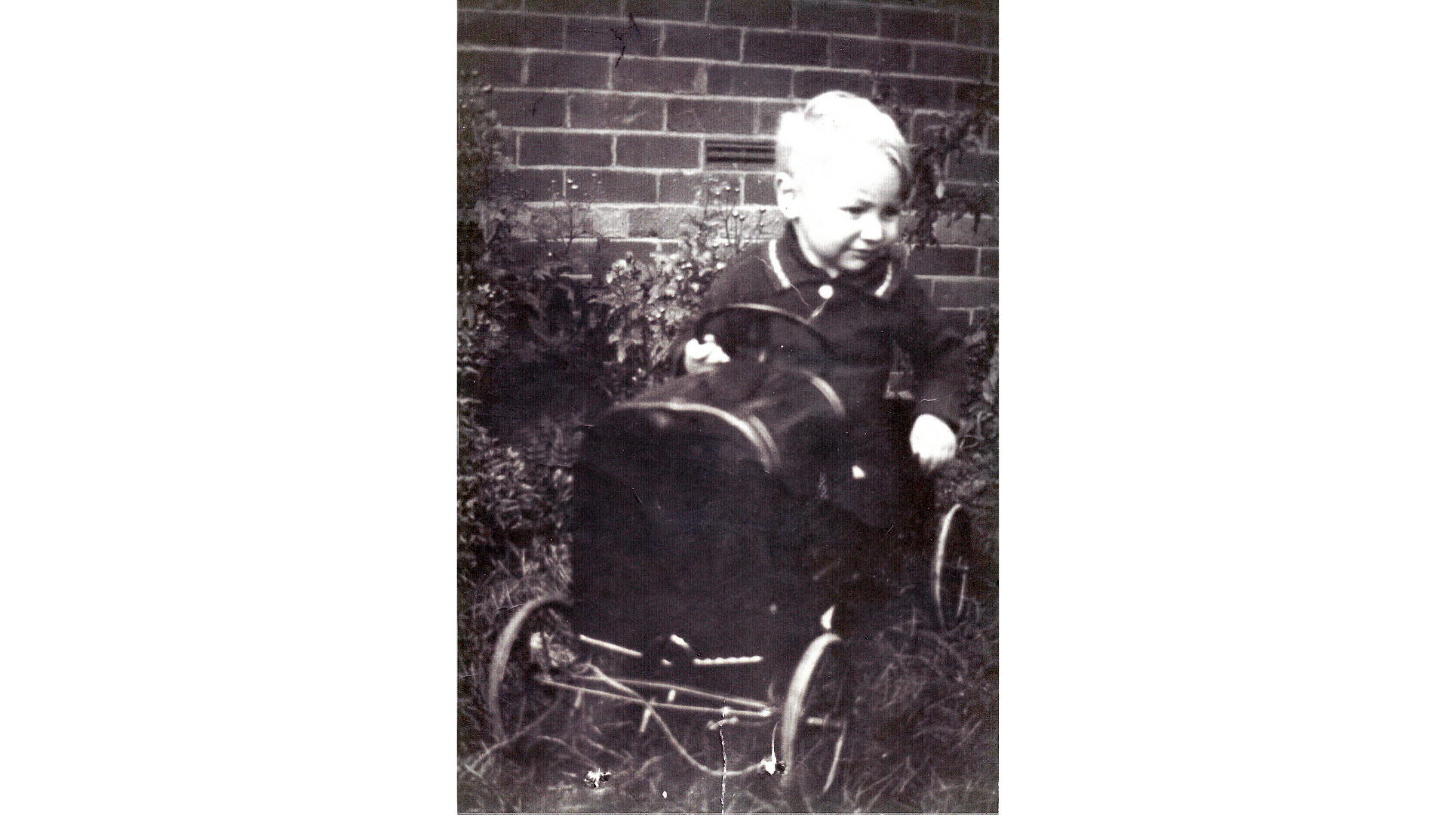
The promise of ‘yet’
In early 20th‑century Britain, children infected with bovine tuberculosis through contaminated milk were isolated from their families and forgotten by history. My father was one of them. Yet: A Story of Triumph Over Childhood Separation, Trauma, and Disability preserves those lost voices and celebrates resilience, hope, and the power of possibility.
-

Celebrating Local and Community History Month, UK: Giving Voice to the Past
The inspiring story of the Drabble family of Sheffield, a working-class family whose experiences between the 1930s and 1950s illuminate the extraordinary resilience of ordinary lives.
-

Listen to Harry’s Story: A Long‑Stay Child Patient’s Journey of Resilience and Hope
The podcast discusses “Yet”: A Story of Triumph Over Childhood Separation, Trauma, and Disability, focusing on the author’s father, Harry Drabble, and his experiences as a long-stay child patient in Sheffield due to bovine tuberculosis. It highlights his resilience and the importance of preserving these children’s stories through a Kickstarter pre-launch campaign.
-

Why I Wrote a Book about Dad, and Why He Wanted it Published
Discover ‘Yet’: A Story of Triumph Over Childhood Trauma, Disability, and Resilience, a memoir honouring my father’s incredible journey. Overcoming stigma and bovine tuberculosis, he built a life of purpose and inspired others.
-

Forgotten history: A child’s experience of bovine tuberculosis
In 1937, two-and-a-half-year-old Harry Drabble was separated from his mother after being diagnosed with bovine tuberculosis, enduring traumatic hospital treatment for over two years. This isolation and neglect affected him emotionally and socially, mirroring the experiences of thousands of children during this dark period in British history.
-

How Psychological Legacies Shape Mental Health and Family Dynamics
Family history is more than tracing names and dates—it’s about understanding the emotions and experiences that shaped our ancestors. Using attachment theory and Adverse Childhood Experiences (ACEs), genealogists can uncover patterns of trauma, resilience, and connection that echo across generations, turning historical research into a journey of empathy and insight.
-

How Depression, Addiction & Trauma Echo Across Generations: Blending Family History, Psychology, and Science
Discover how depression, addiction, and trauma can echo through generations. By blending family history, psychology, and scientific insights like epigenetics, we reveal how ancestral struggles have shaped us—and how understanding our psychological inheritance empowers us to break unhealthy cycles and create a brighter legacy for future generations.
-
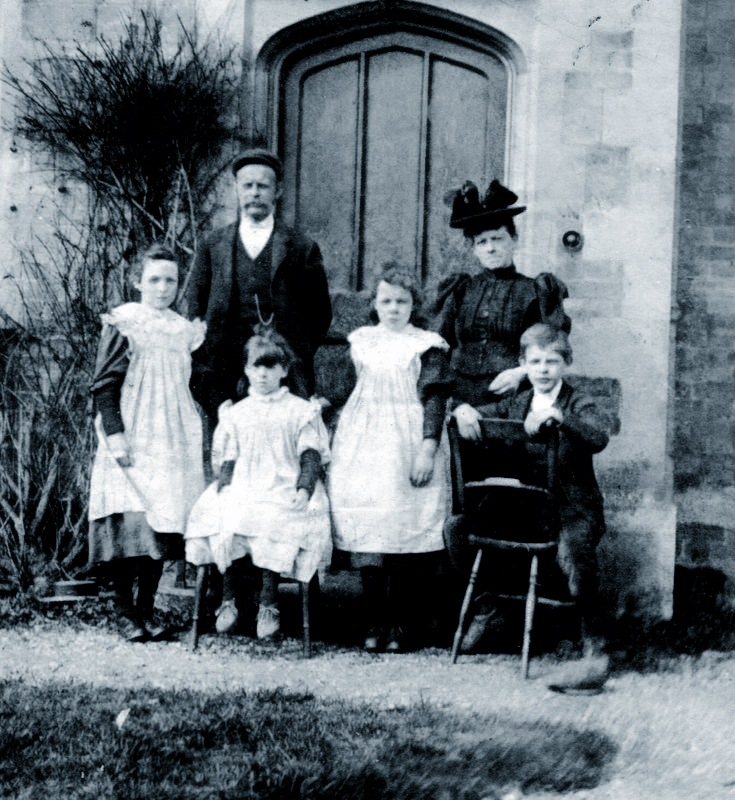
Consider Psychological Legacies in Family Trees: What Emotional Inheritance Have You Received?
Key Takeaways Psychological inheritance describes how emotional patterns, trauma responses, and coping mechanisms pass from ancestors to descendants We inherit far more than heirlooms — our ancestors’ experiences, strengths, and wounds become woven into our family stories Recognising inherited patterns helps us understand our loved ones more deeply and begin to heal inherited hurt Historical records…
-

You can leave a legacy: Sharing Your History When You Have No Direct Descendants
As a family historian, I know the deep sense of purpose that comes from uncovering the stories of our ancestors , but what happens when we have no direct descendants to pass our family history on to, or those we do have are not interested? This is a challenge faced by many, but there are…
-

The possible psychological dangers of exploring our family history & how we can mitigate them
Researching our family history can be a life-changing, affirming experience and has the potential to improve our mental health, but it can also come with potential psychological risks. I am grateful to Emeritus psychology professor Susan M Moore research and her excellent articles Family History Research and Distressing Emotions and Ethical Dilemmas and Family History:…
-

The Emotional Benefits of Understanding Our Family History
Key Takeaways Identity and belonging: Understanding family history creates a more integrated sense of self and adds depth to your personal narrative Resilience building: Learning how ancestors coped with adversity provides strategies for improving your own mental health Enhanced relationships: Family history research fosters empathy towards older generations and can help resolve ongoing family conflicts Therapeutic value: Knowledge of…
-

An Alcoholic in the Family: Unravelling the Intergenerational Impact
KEY TAKEAWAYS – Victorian alcoholism epidemic: The Beer House Act of 1830 inadvertently increased alcohol consumption in working-class families, with devastating intergenerational consequences – Women’s hidden addiction: Ann Parker (Walter’s mother) represents thousands of Victorian women whose alcoholism was overlooked in historical records—facing worse stigma than male drinkers – Trauma fuels addiction: Ann’s childhood losses…
-

Taste the past at Mary Allott’s Table
Now available to buy Immerse yourself in middle-class Victorian England with Mary Allott’s meticulously kept recipe book. Compiled amidst the turmoil of a life challenged by the abandonment of her spouse, this collection stands as a beacon of Mary’s inner fortitude as she expressed her creativity and dedicated herself to her family’s nourishment and well-being.…
-

On the BBC! A family history audio Factual Tale – ‘Buried Letters’
Buried Letters A short award-winning family history audio factual tale based on Chloris Drabble. On completion of her nursing qualification in 1917 Chloris left nursing in the Huddersfield Infirmary to join the Scottish Women’s 7th Field Hospital at Lake Ostrovo in Macedonia, where she fell in love with a Serbian interpreter and was irrevocably changed.
-

Who Do You Think You Are? Family Hero
Despite Walter’s reluctance to discuss his past, I have come to know him better through thinking about the consequences of his mother’s alcoholism and his rural Victorian upbringing.
-
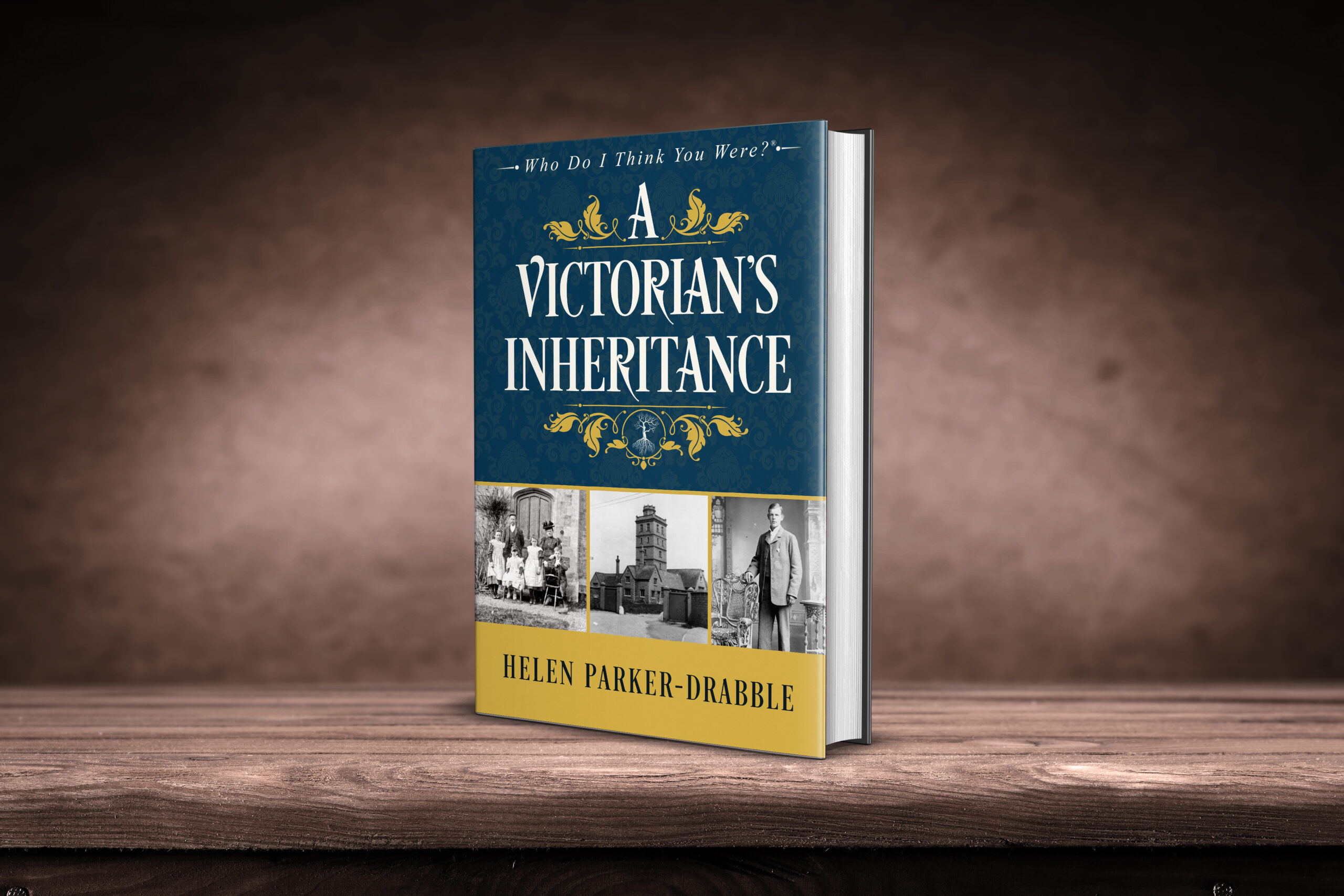
Graham Carter: Every family has a skeleton in the cupboard
She pulls no punches on awkward subjects that crop up in her own family, including alcoholism, plus the story of her grandfather (and now my hero), who changed the course of the family history when he refused to doff his cap to the local lord of the manor’s estates manager.
-

Our Ancestors’ Psychology: An Interview with Lisa Louise Cooke on the Family Tree Magazine Podcast.
In episode 152 of the Family Tree Podcast, Lisa Louise Cooke interviews author Helen Parker-Drabble about how so-called “modern” mental health problems like anxiety or depression shaped the lives of our ancestors, and how understanding their experiences can benefit future generations.
-

Sweet And Sour Valentines
People were also encouraged to buy mocking Valentines. Sometimes Victorian men sent derisive cards, featuring taunts about baldness and alcoholism, for example. However, I suspect women were the main perpetrators of the mean Valentine.
-

Honouring a Lost Parent: Exploring Your Family History and Preserving your Parent’s Legacy
Would you like to honour the memory of a departed parent by exploring your family’s past?
-

From Writing For Family To Publishing Worldwide
The pitfalls and joy of saving family history for future generations – A Personal Legacy
-

Dissociation in your Family Tree
Chronic dissociation develops when there is repeated threat or trauma, especially when it starts at a young age and the child isn’t supported and soothed. In an ideal environment, parents buffer children from stress and help them regulate their behaviour, emotions and bodily functioning. If a parent did not have this experience, or is unable…
-

Epigenetics, Physiological & Psychological Inheritance and the Family Historian
Physiological and psychological trauma can affect not only the person involved but succeeding generations. Therefore, ancestral trauma can influence and shape a descendant who has no knowledge of it. This has implications for family historians wanting a deep understanding of their forebears. It can also be critical to living relatives struggling with mental health issues.
-
Estrangement and your Family Tree
Content Warning: This article explores family estrangement and intergenerational trauma patterns. Content includes: Family separation and cutoff Abandonment and rejection Attachment wounds from childhood Historical stigma (mental illness, pregnancy outside marriage, domestic abuse) Holiday and family gathering triggers If you’re currently experiencing family estrangement or are in active crisis, please ensure you have support available.…
-

Attachment, Trauma & the Impact on Future Generations
Research has indicated that psychological trauma such as childhood abuse might impact the long-term physical health of not only the immediate victim, but also their offspring, by etching itself onto the victim’s DNA
-

Teasing Out Psychological Inheritance-for family historians
Tragically, in any family, there will be those who suffered abuse, physical or mental ill-health, disability, starvation, imprisonment, bigamy, persecution, trauma and abandonment. All of these factors can trickle down the family tree, impacting future generations.
-

Breaking Free of Psychological Inheritance
Can You Break Psychological Inheritance? Yes—psychological inheritance can be broken through awareness, intentional choices, and healing work. KEY TAKEAWAYS Psychological inheritance includes traits, reactions, and behavioral patterns passed through generations via genes, epigenetics, and learned behaviors You can break the cycle – psychological inheritance doesn’t define your destiny. Research shows patterns are changeable through awareness…
-
Family History Is Critical To Living Relatives; Future Generations
Even before our birth we are influenced by the mental, emotional and behavioural patterns of our parents, the family around us and those who came before – even if our parents are not the ones who raised us. This phenomenon is known as psychological inheritance.
